Barefoot Shoes, Bunions, and Learning to Trust My Body
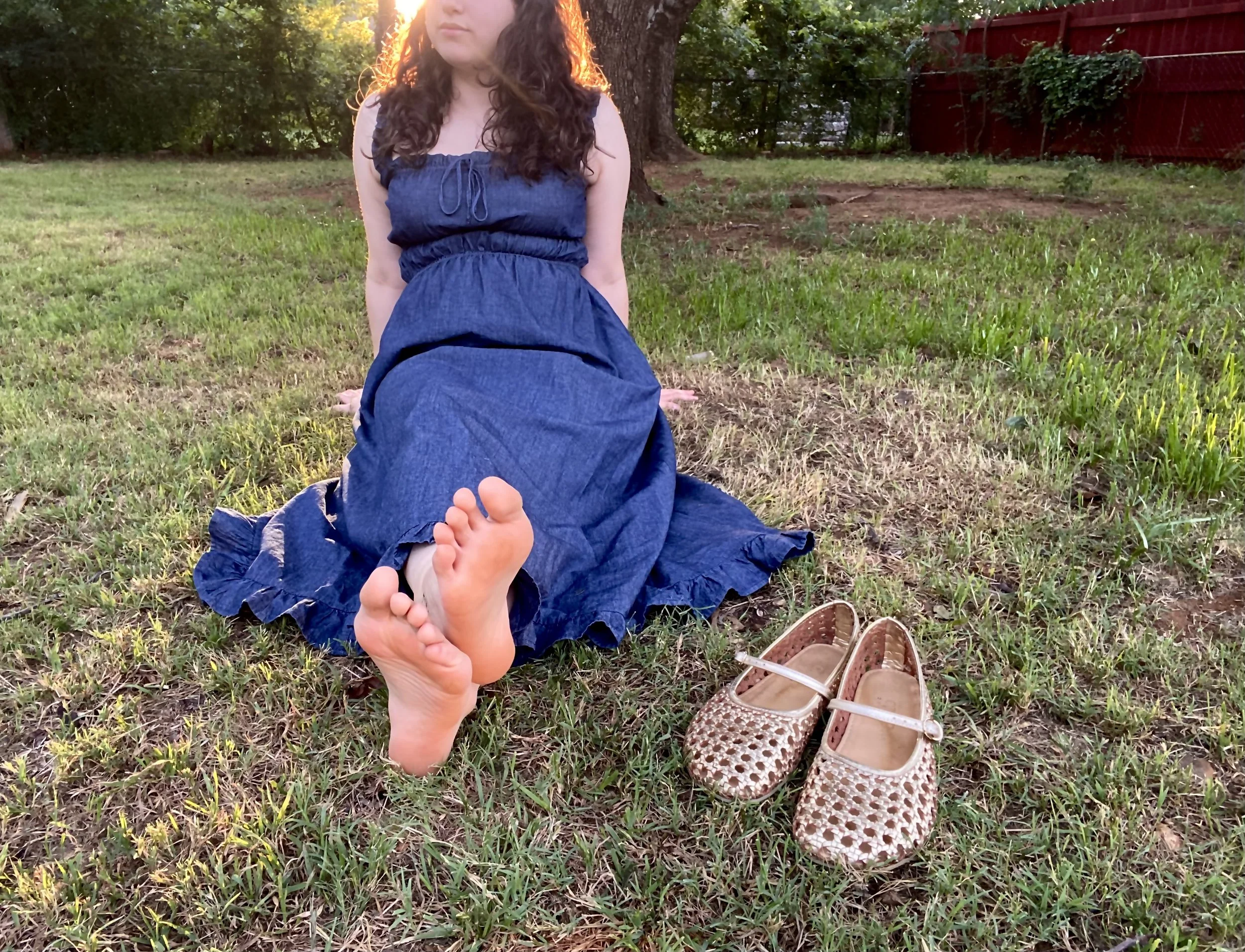
My feet have been a problem for about as long as I can remember. I often think back to my first podiatrist appointment when I was about ten. I was told I had my great-grandmother’s feet - flat feet with bunions. I was mortified. I’d always heard bunions were something that old people had, and now I did too. At that appointment, my feet were cast for my custom shoe inserts. I wore the inserts for a while because the doctor said I should, and my mom had spent hard-earned money on them, but I stopped. I hated them. As the years passed, the bunion on my left foot got worse and more painful. I was so self-conscious about how it looked and never wore sandals or flip flops, only slides or something that would cover my bunion up. But even hiding it never took away the dull (and at times incredible) pain I carried daily.
As beautiful and stylish as modern shoes are, the looks come with a cost. They’re designed with narrow toe boxes that squeeze the toes together and can contribute to bunion formation over time, thickly cushioned soles that reduce your body’s sensory feedback with the ground, and the built-in arch support and elevated heels can cause the intrinsic muscles in your feet to get lazy and not do the work they were designed to. Modern shoes act almost like a cast that inadvertently reshapes the feet we were born with (compare your feet to a baby’s and you’ll see what I mean), doing all the work the muscles in our feet are supposed to do for us when it comes to our stability, balance, and natural movement. Some people, like me, are more sensitive to this design and develop bunions, flat arches, or a range of other issues.
Fortunately, we don’t have to accept this as the only option.
Barefoot shoes are meant to encourage those muscles to engage again through natural movement and gradual strengthening. They’re designed to allow your feet to move more naturally with a wide toe box, flat soles (also called zero drop), flexible structure, and minimal or no cushion. Instead of forcing the foot into a narrow, elevated, heavily supported shape, they let the foot function the way it was designed to. There have also been cases where barefoot shoes and foot strength training improved bunion pain and appearance over time. When I first heard about barefoot shoes, I thought they only existed in the form of what my friend Claudia calls “frog shoes”. The ones where each toe has a place to go and come in various bright neon colored rubber. Earlier this year, I learned that was not the case.
I’d heard about Vivobarefoot online from a trusted resource, so that’s where I went exploring first. I ended up buying two pairs: Motus Studio Sneakers and Sensus II Grounding shoes. They were beautiful, but the size was too big for me. I’d read the brand tends to run a bit on the longer side, and I found that to be accurate. I ended up returning them and tried again with black Motus Studio Leather Sneakers in a size down. It’s no exaggeration when I say these shoes changed my life! The shoes were wide without looking bulky, and left plenty of space between my toes for them to splay. I was especially drawn to this style because of the primarily natural materials - cattle leather, tencel, wool, with cotton laces. Even the insole was topped with cork.
Typically, the transition to barefoot shoes should be a very slow one. Walking in them took, for me, very little adjusting. I’m not on my feet a lot during the day, and when I am home, I’m barefoot constantly, so I think I already had a bit more foot strength than most people do going in. My husband teases me about my “monkey feet” because I can use them to grab and pick up some things with ease. Not to mention the aching of my feet every day, even after limited walking, made me feel like I had absolutely nothing to lose. It was like a breath of fresh air after so many years of my feet just doing the best with what they had. I did initially notice a very obvious difference in my gait that took a little getting used to, which lasted about a week. The length of my steps changed, and I started to notice my big toe wasn’t helping carry my weight the way it should. Instead, I tended to shift outward and lean on the outside of my midfoot. Retraining my feet to do that is still a work in progress.
My initial intent was to hold onto all the sneakers, running shoes, boots and heels I already owned, and still wear some every once in a while. I’m not an absolutist - or at least didn’t plan to be. That idea went out the window pretty much right away. I gutted almost twenty pairs of shoes in my closet, except for my cowgirl and snow boots, and hid them away in my guest room on the off chance I might miss them, but decided to make my primary focus building a small new collection. Compared to most shoes, there’s no question that barefoot shoes cost a bit more and start around $100 a pair. This was an opportunity for me to be really intentional with my new collection and keep it small but high quality. The next shoes I got were gold leather Woven Ballerina flats from Origo. This company was sized quite differently from Vivo, and I actually needed to size up by a size and a half to get the most comfortable fit. With the Texas weather warming up, I decided the next best pair of shoes for me would be camel Lang.S Selene leather sandals. These were the same size as my flats. Most recently, I bought another pair from Origo, light brown Classic Mary Janes, also the same size. There are so many barefoot shoe brands and beautiful styles out there, but this collection feels complete for the season of life I’m in.
Since all my new shoes are leather, they’ve all softened over time and are buttery soft to walk in. I know not everyone can say this, but there really haven’t been any downsides for me. Sometimes I do miss the look of a heel or cute boot, or being able to just go to the store to look at shoes. But after a lifetime of discomfort, these trade-offs are small. That said, I do love to make an exception every so often to go out in my cowgirl boots. Even though they’re snip toe style, they actually feel better to wear now after this change because of how my feet have gotten stronger, and my toes can comfortably splay.
I’m three months into this journey, and for the first time, I can say my feet don’t hurt and feel so much stronger. It’s too soon to say if the look of my bunions is improving, but I can say they aren’t constantly red and aching. And more than anything, I no longer feel shame about them. The loss of physical pain has released the pain and insecurity in my ten-year-old heart. I accept how they look and am letting go of the standard I put on myself. If you take anything away from this, you don’t have to choose aesthetics over comfort. You don’t have to have foot issues like me to experience the benefits, and maybe even prevent future problems. If you’re interested in learning more about barefoot shoes, an incredible resource for me was Anya’s Reviews. Anya has reviews for brands and styles for men, women, and children, style tips, and resources for questions you might not even think to ask.
